
Packaging Systems Built for Industrial Load Demands
Automotive parts packaging in Battle Creek for metal components shipped under sustained tension and exposure
Battle Creek sits within Michigan's automotive corridor, where legacy manufacturing facilities and modern Tier 1 supplier plants still operate with tooling and building layouts dating to the 1960s and 70s—tight dock clearances, narrow staging areas, and high-bay warehouses designed before automated wrapping systems became standard. BRAVO SYSTEMS INC provides automotive parts packaging for facilities shipping engine blocks, transmission housings, stamped steel panels, and machined components where rust formation, load shift during transit, and packaging line speed determine whether shipments arrive intact or generate chargebacks. Your packaging materials and strapping equipment handle parts that weigh hundreds of pounds per unit, travel thousands of miles in open railcars or unconditioned trailers, and cannot tolerate surface oxidation before assembly.
The work involves high-tensile steel and plastic strapping systems calibrated to secure heavy parts without deforming thinner gauge metals, volatile corrosion inhibitor (VCI) films that release vapor-phase rust prevention around bare machined surfaces, and automated stretch wrapping turntables that apply controlled pre-stretch and containment force across irregular geometries. Automotive suppliers face rejection and financial penalty when parts arrive with rust bloom, shifted loads, or punctured wrap, so the packaging process prioritizes tension consistency, film gauge selection based on load profile, and corrosion protection duration that matches transit and storage windows.
Request an on-site packaging audit to evaluate strapping tension, wrap containment, and corrosion control requirements for your current component mix.
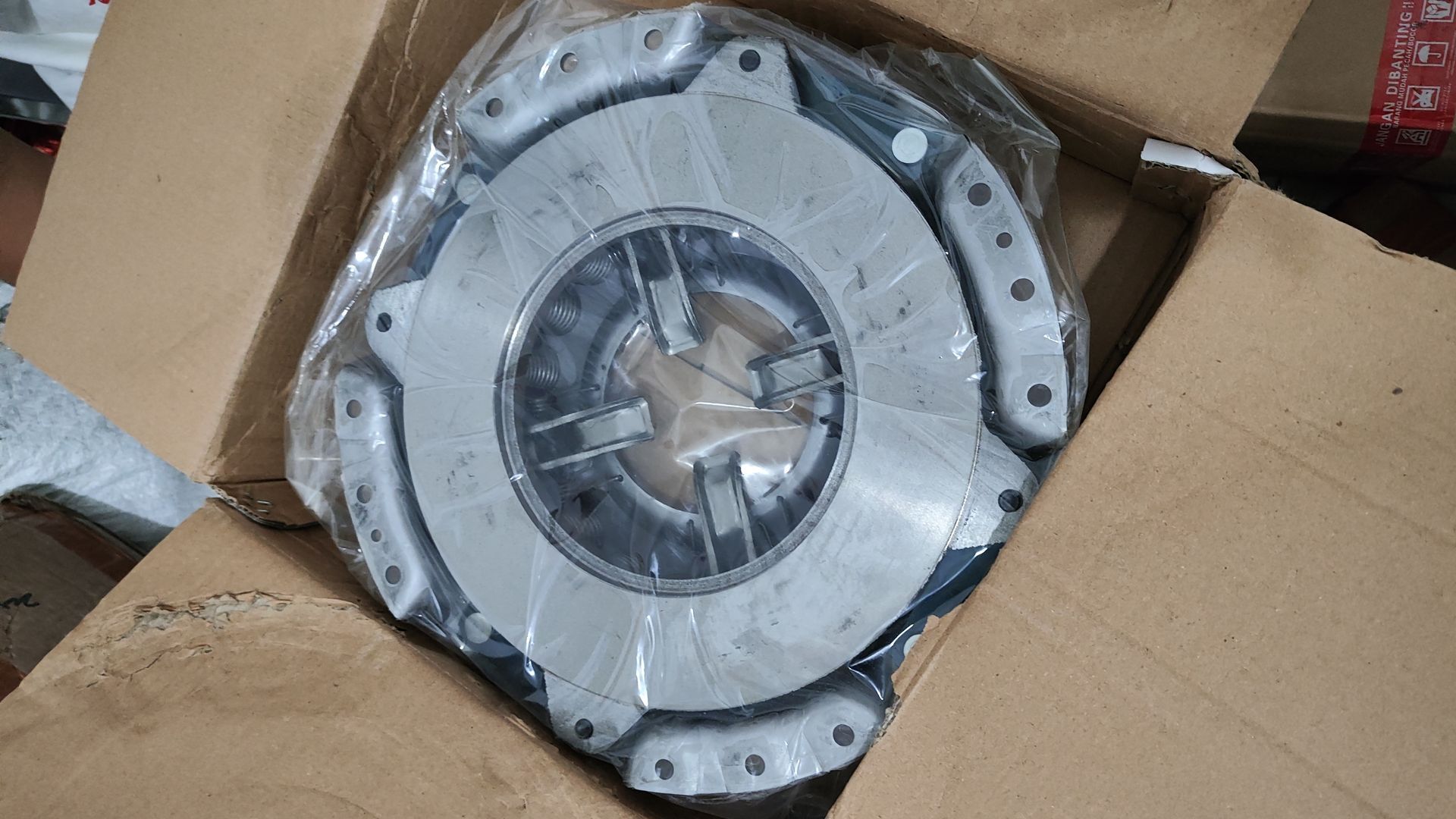
What Quality Automotive Packaging Requires
Proper automotive parts packaging starts with understanding the failure modes: steel strapping that snaps under shock load, plastic strap that creeps and loosens over time, stretch film that tears on sharp casting edges, and non-VCI materials that allow moisture contact with bare metal. Equipment selection depends on whether your operation runs continuous motion lines that require automatic feed and seal systems, or lower-volume batch processing where semi-automatic tools and manual film application remain cost-effective.
Once packaging systems are calibrated and materials matched to part geometry, you'll see fewer load rejections at the receiving dock, reduced film waste from overwrapping or breakage, and elimination of rust claims on components stored in outdoor yards or unheated warehouses before use. Strapping machines maintain consistent joint strength across thousands of cycles, and VCI films provide documented corrosion protection for 12 to 24 months depending on film thickness and enclosure method.
High-speed operations benefit from automated stretch wrappers with photo-eye load profiling and variable wrap patterns, while job shops shipping mixed part types often require quick-change strapping heads and multiple film roll stations to handle width and gauge variation without line stoppages.
What Automotive Suppliers Ask About the Packaging Process
Facilities shipping heavy or rust-sensitive automotive components often need clarity on how packaging materials and equipment perform under production floor conditions and transit stress.
How does VCI film prevent rust without direct coating application?
VCI film releases corrosion-inhibiting molecules that settle on metal surfaces within the enclosed space, forming a molecular barrier that blocks moisture and oxygen contact without leaving residue or requiring removal before assembly.
What determines whether steel or plastic strapping is used for engine parts?
Steel strapping handles higher shock loads and maintains tension on very heavy or sharp-edged components, while plastic strap offers better elongation recovery and won't damage painted or coated surfaces during application and transit.
How is stretch film selected for components with protruding features?
Film gauge, puncture resistance, and cling layer formulation are matched to the sharpest edges and highest protrusion points on the load, often requiring reinforced films or corner protectors to prevent tearing during the wrap cycle.
What happens when automated strapping systems are integrated into existing conveyor lines?
Strapping machines are synchronized with upstream conveyor speed and downstream accumulation zones, using sensors to detect load position and trigger the strap feed, tension, and seal cycle without stopping the line or requiring manual load placement.
How do you verify that packaging will protect parts during rail transit in Michigan winters?
VCI film performance is tested under temperature cycling and humidity exposure that simulates unheated railcar conditions, and strap tension is verified after cold-soak testing to confirm that neither film nor strap loses integrity at sub-zero temperatures common in regional shipping.
BRAVO SYSTEMS INC also provides automotive parts packaging in Kalamazoo, Portage, and Marshall. Arrange a packaging line assessment to identify specific material and equipment improvements for your current component shipping profile.