
Tape That Holds Through Real Shipping Conditions
Carton sealing tape in Jackson for boxes that fail during transit, storage, or high-volume palletizing operations
Jackson's industrial and manufacturing base—anchored by facilities producing everything from automotive components to consumer goods—ships product in volume, and the carton is often the last line of protection between the product and the customer. BRAVO SYSTEMS INC supplies carton sealing tape to operations in Jackson where box failure is not an abstract risk but a documented cost: crushed flaps, unsealed bottoms, and delaminated tape are the kind of problems that show up in carrier claims and customer complaints. The right tape is selected based on substrate, box weight, and line speed, not simply grabbed off a shelf.
Selecting carton sealing tape involves matching adhesive chemistry to the corrugated grade, surface coating, and ambient conditions of the application environment. Acrylic adhesives perform consistently across a wide range of surface temperatures and bond well to recycled-content corrugated, which has become standard in most distribution operations. Hot-melt formulations provide immediate aggressive tack useful on high-speed automated taping lines where dwell time is minimal. Film thickness, backing material, and unwind tension all affect how the tape runs through case-erecting and sealing equipment without jamming or misfiring. Getting those specifications right on the front end reduces downtime on the line.
Request a sample evaluation to match tape specifications to your current box stock and line configuration.
How Tape Selection Affects Line Performance and Box Integrity
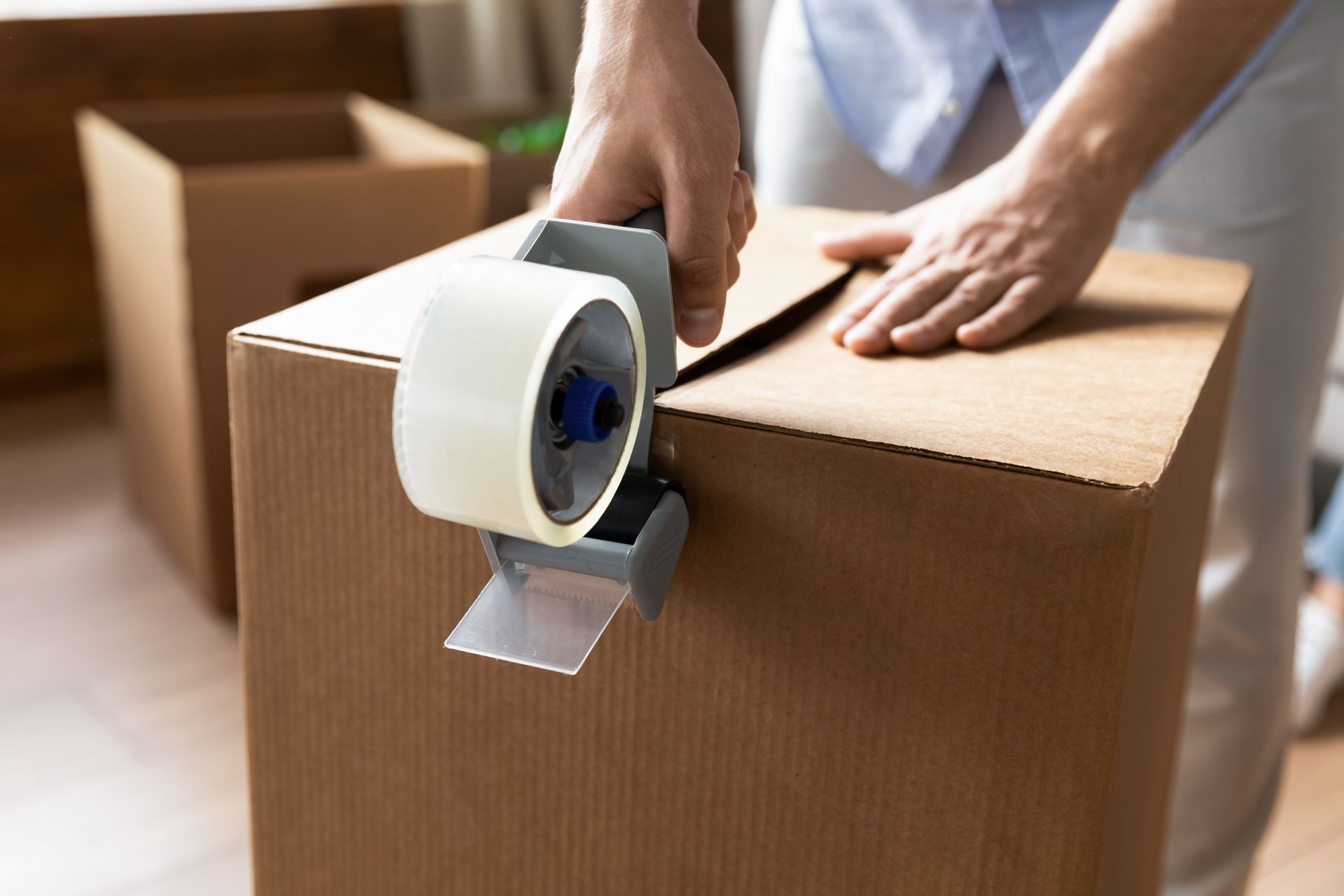
The difference between a tape that works and one that creates line problems often comes down to the relationship between adhesive type and corrugated surface chemistry. Recycled-content board, which now makes up the majority of corrugated used in domestic distribution, has variable surface energy—meaning the same tape that bonds reliably to virgin-fiber boxes may lift cleanly off recycled board within hours of application. Matching adhesive to substrate is a technical decision, not a preference, and it determines whether sealed cartons arrive intact or arrive open.
Once the correct specification is in place, the operational difference is visible at several points: tape no longer lifts at the seam during palletizing, boxes stack without flap separation, and returns attributed to transit damage decline. BRAVO SYSTEMS INC helps operations identify where current tape performance is falling short—whether that's adhesion failure, backing tear on automated equipment, or inconsistent seal on lightweight or heavy-gauge cartons—and provides product that addresses those failure points specifically.
Application method also factors into tape selection. Hand-applied tape tolerates a wider range of specifications, but automated case sealers require tape rolls wound to precise tolerances, with consistent core dimensions and unwind resistance calibrated to the machine's tension settings. Using tape not matched to equipment specifications causes frequent roll changes, misfeeds, and uneven application—problems that slow throughput on lines where efficiency is measured by cases per hour.
What Operators Ask About Carton Sealing Tape
These questions come up regularly when facilities are evaluating tape performance or switching specifications to address a recurring packaging failure.
- What causes carton sealing tape to lift off the box after application? Adhesion failure most commonly occurs when the tape's adhesive chemistry is mismatched to the corrugated surface—particularly with recycled-content board, which has lower surface energy than virgin-fiber board and requires an acrylic or specifically formulated hot-melt adhesive to hold reliably through transit handling.
- How is tape thickness measured and why does it matter for automated sealing equipment? Tape thickness, expressed in mils, affects how the roll feeds through tension guides and presser feet on case sealers; tape that is too thin may not apply sufficient holding force, while tape that is too thick can cause misfeeds or inconsistent pressure application on the seam.
- When should a facility switch from hand-applied to machine-applied tape? The transition typically makes sense when sealing volume exceeds what hand application can maintain without variation in seal consistency—machine application standardizes tension, overlap, and fold-down across every carton regardless of operator technique.
- Why do some tape rolls run inconsistently on the same equipment that handled previous rolls without issue? Roll-to-roll variation in unwind tension, core dimension tolerance, or adhesive coat weight can cause identical-looking tape to behave differently on the same machine; Jackson-area distribution operations running continuous shifts are particularly exposed to this because variation compounds over long production runs.
- What is the correct way to evaluate whether a tape change is performing better than the previous specification? Measure seal integrity at three points—immediately after sealing, after palletizing, and after simulated transit handling—since some adhesive failures are latent and only appear under compressive or shear load rather than at application.
BRAVO SYSTEMS INC works with facilities to identify the specific failure mode before recommending a tape specification, so the solution addresses the actual cause rather than substituting one inadequate product for another. Connect with BRAVO SYSTEMS INC to arrange a product review based on your current corrugated grade and sealing equipment.